Culture and Sensitivity Testing
Send urine, ear, wound, skin, or respiratory samples for ID and sensitivity to guide antimicrobial choices.
Submit culture and sensitivity, canine urine culture, infectious disease, and veterinary serology samples through B&L with support for specimen requirements, handling, pickup, and shipping.
Send urine, ear, wound, skin, or respiratory samples for ID and sensitivity to guide antimicrobial choices.
Submit urine culture for dogs when recurrent, complicated, or persistent urinary cases need lab review.
Support infectious disease workups with culture, serology, and PCR coordination when appropriate.
Use serology when exposure history, antibody response, vaccination context, or case timing matters.
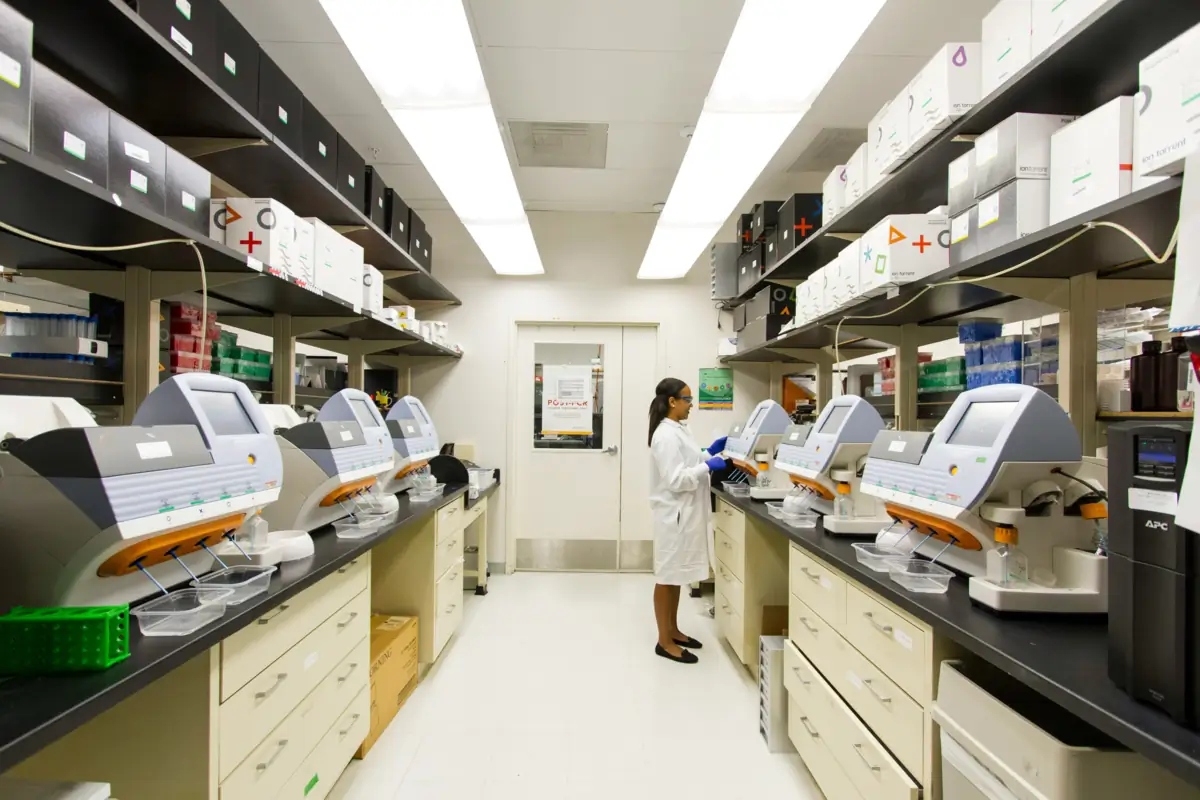
Veterinary microbiology and serology testing help practices investigate infection, exposure, recurrence, and animal infectious disease concerns with better-supported lab data.
Recurrent or complicated urinary case requires canine urine culture testing.
Urine culture in dogs helps identify organism growth and susceptibility.
Ear, wound, skin, or respiratory samples need culture testing for infection.
Culture and sensitivity guide antimicrobial planning with lab support.
Infectious disease workups need exposure, timing, or immune-response context.
Help confirming specimen, handling, pickup, or shipping details is needed.
Each method answers a different question. Matching the test to the clinical question improves the value of the result.
Grows viable organisms and reports antimicrobial susceptibility. Best when you need to confirm an active infection and guide targeted therapy. Collect before antibiotics.
Detects pathogen DNA or RNA with high sensitivity, including organisms that are slow or difficult to culture. It confirms presence but does not provide susceptibility.
Measures antibodies and reflects exposure or immune response over time. Useful for timing and exposure history, but a single titer may not confirm active disease.
Search the B&L test menu for veterinary microbiology, culture testing, sensitivity testing, canine urine culture, wound culture, respiratory infectious disease support, veterinary serology, and related workups.
Confirm test codes, specimen requirements, transport media, and collection timing - ideally before antimicrobial therapy begins - to protect culture accuracy.
Search the Test Menu| Test | Code | Turnaround |
|---|---|---|
| 2M Antibody (ELISA) 7-12 Days | 814 | |
| Acetylcholine Receptor Antibody 7-12 Days | 852 | |
| Acid-Fast Stain for Mycobacterium 1-2 Days | 830 | |
| Aerobic and Anaerobic Culture 7 Days | 6005 | |
| ...163 more tests | ||
Many practices save 15-30% a month on lab costs. Share your current lab setup, and B&L will review pricing, logistics, PIMS fit, contract timing, and next steps.
Veterinary microbiology testing helps investigate infectious disease concerns through culture testing, organism identification, and related findings that may support clinical decisions.
Culture testing looks for organism growth. Sensitivity testing helps evaluate antimicrobial options based on the organism and test result.
Practices commonly submit canine urine culture when infection confirmation, organism identification, recurrence, or susceptibility information may affect treatment planning.
Urine culture in dogs can help identify bacterial growth and provide susceptibility context when urinary signs, recurrence, or treatment response make lab confirmation important.
Veterinary serology can support infectious disease workups by evaluating antibody or exposure-related information alongside history, timing, vaccination context, and other diagnostics.