Cat and Feline PCR Testing
Submit cat PCR tests, feline PCR tests, and PCR panels for cats when infectious disease concerns need molecular review.
Submit molecular diagnostics and PCR testing for cats, dogs, and other veterinary patients through B&L, including pathogen identification, respiratory panels, GI panels, FeLV PCR, and targeted infectious disease testing.
Submit cat PCR tests, feline PCR tests, and PCR panels for cats when infectious disease concerns need molecular review.
Submit canine PCR tests, dog PCR tests, and PCR panels for dogs for respiratory, GI, or targeted pathogen workups.
Use feline respiratory PCR panels and canine respiratory PCR panels for upper respiratory signs or exposure concerns.
Support diarrhea workups with canine GI PCR panels, diarrhea PCR panels for dogs, and related molecular testing.
Use FeLV PCR testing and other targeted molecular tests when a specific pathogen needs confirmation.
Match sample to panel: swab in VTM for respiratory, EDTA blood for FeLV, fresh feces for GI PCR panels.
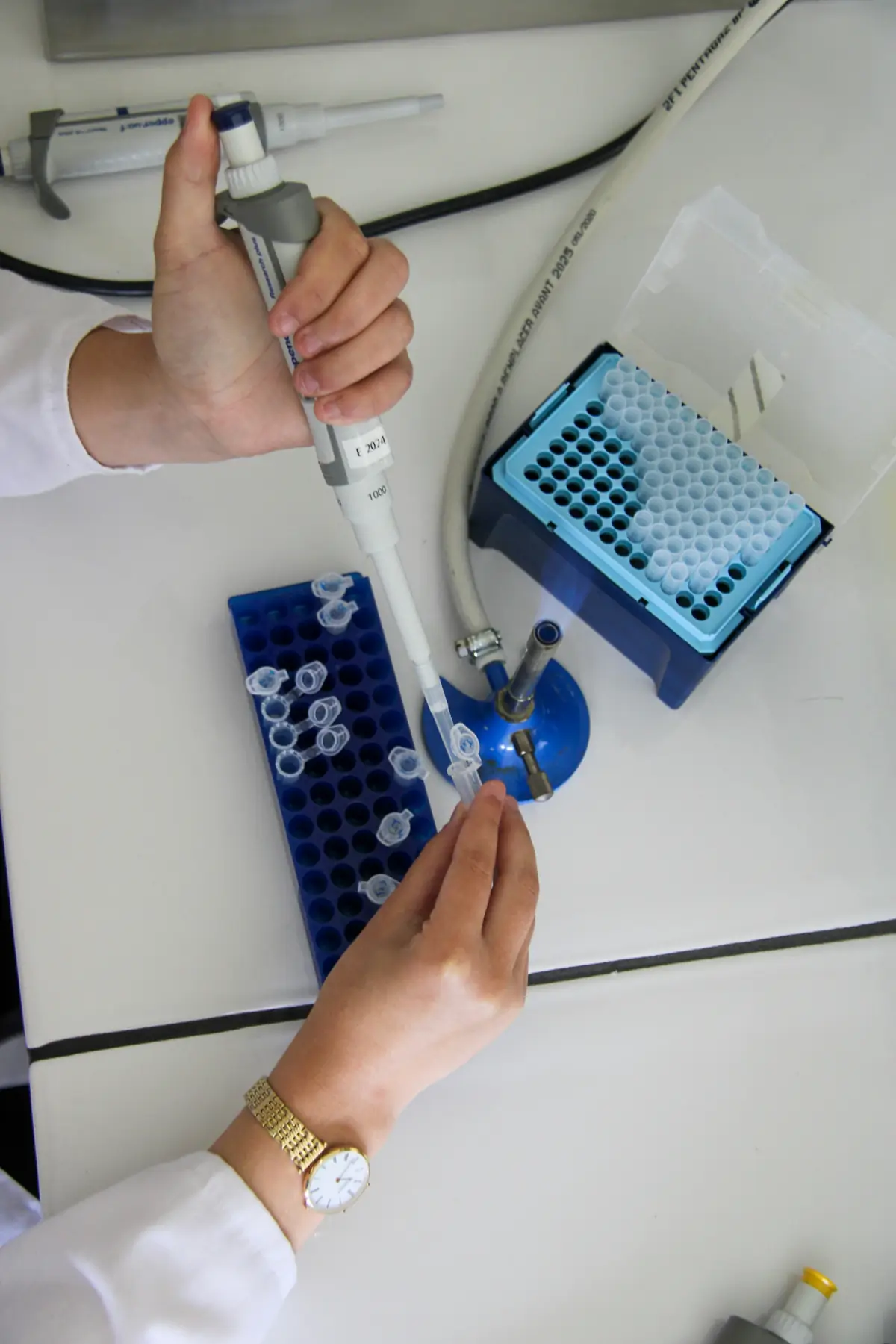
Veterinary PCR testing helps practices investigate infectious disease concerns when signs, exposure history, or screening needs call for pathogen-level detection.
A cat needs a PCR test for respiratory signs or exposure history.
A dog needs a PCR test for respiratory, GI, or pathogen-specific concerns.
A feline case needs FeLV PCR, coronavirus PCR, or respiratory panel testing.
A canine diarrhea case needs a GI PCR panel or targeted pathogen review.
A practice needs sample, pickup, shipping, or submission support.
PCR is highly sensitive, which makes timing and clean handling essential to a trustworthy result.
Sample during active clinical signs and, when possible, before starting antimicrobials or antivirals that can drop pathogen load below detection.
Match the swab and transport medium to the panel. Dry swabs, wrong media, and gel or charcoal swabs can inhibit or invalidate PCR.
Use a fresh swab and clean gloves per patient and site. PCR can amplify trace carryover, producing false positives from contaminated handling.
Keep samples cool and ship promptly. Heat and delays degrade nucleic acid and reduce sensitivity, especially for RNA targets.
Find veterinary molecular diagnostics and PCR tests in the B&L test menu, including feline PCR panels, canine PCR panels, FeLV PCR, respiratory PCR, GI PCR, and targeted pathogen testing.
Use the B&L test menu to confirm test codes, the required sample type and transport medium, handling, and turnaround details before sending molecular samples.
Search PCR, feline, canine, FeLV, respiratory, or GI tests| Test | Code | Turnaround |
|---|---|---|
| Canine Fever of Unknown Origin 1-4 Days | 9008 | |
| Canine GI / Diarrhea PCR Panel 5-7 Days | 9003 | |
| Canine Respiratory Panel 2-5 Days | 9001 | |
| Feline Cytopenia Panel 1-2 days | 9012 | |
| ...163 more tests | ||
Many practices save 15-30% a month on lab costs. Share your current lab setup, and B&L will review pricing, logistics, PIMS fit, contract timing, and next steps.
Veterinary PCR testing helps detect pathogen DNA or RNA in submitted samples. Practices use PCR for infectious disease workups, respiratory signs, GI signs, FeLV testing, and targeted molecular diagnostics.
Yes. B&L supports PCR testing for cats, including feline PCR tests, feline respiratory PCR panels, FeLV PCR testing, feline coronavirus PCR, and related molecular submissions.
Yes. B&L supports PCR testing for dogs, including canine PCR tests, canine respiratory PCR panels, canine GI PCR panels, diarrhea PCR panels, and targeted pathogen testing.
A respiratory PCR panel can support canine or feline cases with coughing, sneezing, nasal discharge, shelter exposure, boarding exposure, or other infectious respiratory concerns.
Yes. Practice teams can contact B&L for guidance on approved sample types, swabs, tubes, handling, pickup, and shipping before submitting molecular tests.