Veterinary Pathology
Submit tissue, masses, lesions, and surgical samples for pathology review and diagnostic reporting.
Submit tissue, mass, fluid, and cellular samples for veterinary pathology, cytology, and histopathology review
Submit tissue, masses, lesions, and surgical samples for pathology review and diagnostic reporting.
Send biopsies and tissue samples for histopathology review when structure, margins, or disease process matter.
Submit aspirates, fluids, masses, and cellular samples for cytology review and diagnostic direction.
Submit fine-needle aspirates, mass aspirates, and fluid cytology for dogs, cats, and other small-animal patients.
B&L supports pathology and cytology submissions for dogs, cats, and other veterinary patients.
Get help with test selection, specimen questions, submission steps, and follow-up when needed.
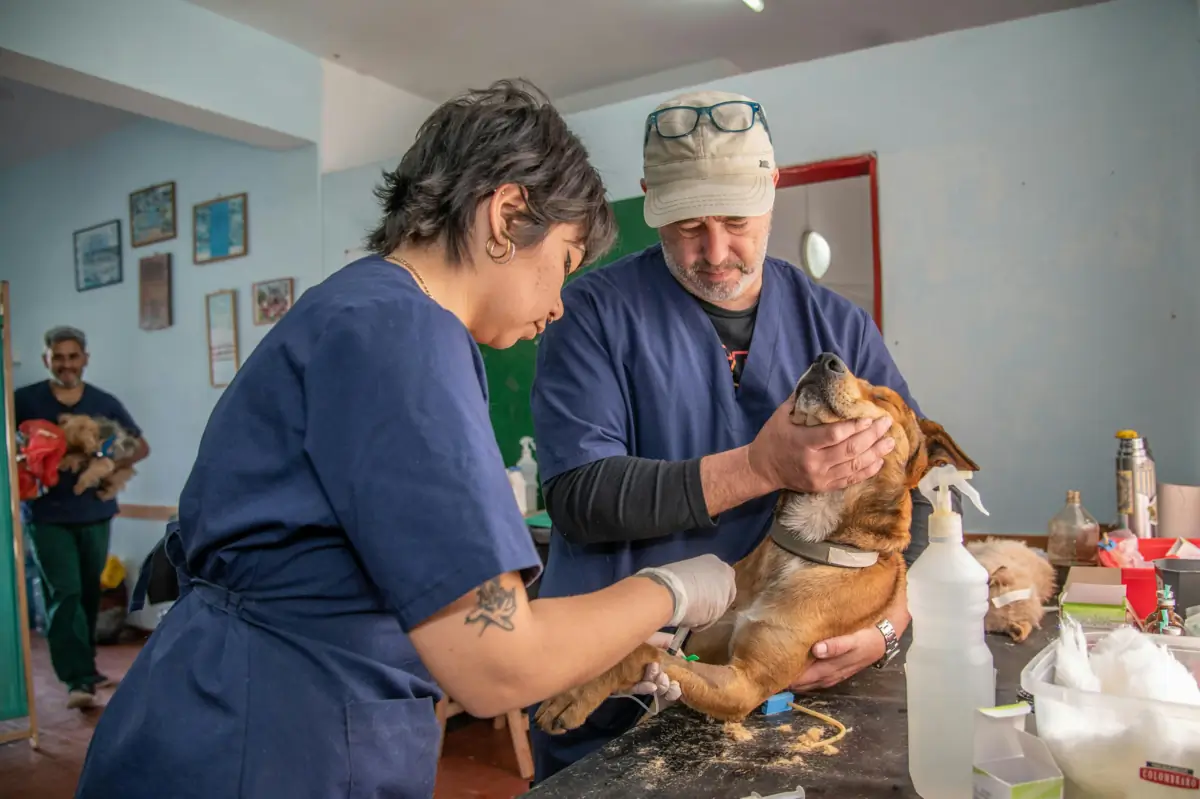
Use veterinary pathology or cytology when a physical finding needs lab review before treatment planning, monitoring, referral, or follow-up.
A new mass, lump, lesion, or abnormal tissue finding needs review.
A fine-needle aspirate needs veterinary cytology.
Specimen handling, fixation, or submission steps need to be confirmed.
A biopsy or surgical sample needs histopathology reporting.
Inflammation, infection, or neoplasia is part of the differential.
The case needs lab context before treatment or referral.
Complete submissions let the pathologist interpret findings the first time and avoid follow-up requests.
Include species, breed, age, and sex, plus a brief history: duration, location, size, growth rate, and any prior treatment for the mass or lesion.
Identify the exact anatomic site and how the sample was taken. For multiple lesions, label each sample to its location so the report stays matched to the patient.
Place biopsy tissue in 10% neutral buffered formalin at about 1:10 tissue-to-formalin. Keep specimens thin enough to fix through, and never freeze tissue for histopathology.
Air-dry cytology slides, keep them away from formalin fumes, and do not refrigerate unstained smears. Ship slides in a rigid holder so they arrive intact.
Common submissions include biopsy evaluation, histopathology, fine-needle aspirate and fluid cytology, mass evaluation, and lesion review for dogs, cats, and other small-animal patients.
Use the B&L test menu to confirm test codes, specimen requirements, fixative and container, sample handling, and turnaround details before submission.
Search the Test Menu| Test | Code | Turnaround |
|---|---|---|
| Cytology 1-2 days | 8000 | |
| Cytology - Fluid Analysis 1-3 Days | 8050 | |
| Dermatopathology 3-5 Days | 8020 | |
| Histopathology Complex, 1 Site 3-5 Days | 8011 | |
| ...163 more tests | ||
Many practices save 15-30% a month on lab costs. Share your current lab setup, and B&L will review pricing, logistics, PIMS fit, contract timing, and next steps.
Veterinary pathology helps evaluate tissue and disease-related findings so veterinarians can better understand masses, lesions, inflammation, infection, neoplasia, and other clinical concerns.
Veterinary cytology evaluates cells from aspirates, fluids, masses, and other samples to help guide diagnosis, treatment planning, monitoring, or further testing.
Yes. B&L supports dog cytology and canine cytology submissions, including fine-needle aspirates, mass evaluation, fluid cytology, and related cellular samples.
Yes. B&L supports veterinary histopathology for submitted tissue samples, including biopsies, masses, lesions, and surgical specimens.
B&L supports pathology and cytology case review with pathologist consultation available when a case needs deeper diagnostic context.
B&L provides 24-hour turnaround for most pathology and cytology submissions